
Traveling with a Special Needs Family Member: Creating Memories Without Limits

Jennifer Feeney • June 7, 2026

This is a subtitle for your new post

Traveling with a Special Needs Family Member: Creating Memories Without Limits

Travel has the power to bring families together, create lifelong memories, and open doors to new experiences. For families with a loved one who has autism, sensory sensitivities, mobility challenges, intellectual disabilities, or other special needs, traveling may require additional planning—but it should never feel out of reach.

With the right preparation and support, vacations can be enjoyable, meaningful, and stress-free for everyone involved.

Every Family Deserves to Explore

Too often, families with special needs members hesitate to travel because they worry about accessibility, overstimulation, dietary restrictions, medical needs, or simply how others may react.

The truth is that the travel industry has become increasingly inclusive. Many destinations, resorts, cruise lines, and attractions now offer accommodations that make vacations more accessible than ever before.

Travel isn't just about seeing new places—it's about creating opportunities for connection, confidence, and joy.

Why Travel Matters

For individuals with special needs, travel can provide incredible benefits, including:

  • Building independence and life skills
  • Encouraging flexibility and adaptability
  • Experiencing different cultures and environments
  • Strengthening family relationships
  • Creating confidence through new experiences
  • Making cherished memories that last a lifetime

For parents and caregivers, a successful vacation can provide much-needed relaxation while watching their loved one thrive in a new environment.

Planning Makes the Difference

The key to successful accessible travel is preparation.

Before booking, consider:

Sensory Needs

Research destinations that offer quieter spaces, sensory-friendly programs, or accommodations that reduce overstimulation. Bringing familiar comfort items, noise-canceling headphones, weighted blankets, or favorite toys can make a significant difference.

Medical Considerations

Pack medications in your carry-on luggage, bring copies of prescriptions, and know where the nearest medical facilities are located. If your family member uses medical equipment, verify airline and hotel policies ahead of time.

Mobility and Accessibility

Confirm wheelchair accessibility, accessible transportation, roll-in showers, elevators, and other necessary accommodations before arrival.

Routine and Structure

Many individuals with autism or developmental disabilities thrive on routine. Creating a visual schedule, reviewing pictures of the destination beforehand, or discussing daily activities can help reduce anxiety.

Food Preferences and Dietary Restrictions

Research restaurants and grocery options near your destination, especially if your loved one has sensory-related food preferences or allergies.

Choosing the Right Destination

Not every vacation fits every family, and that's okay.

Some families prefer relaxing all-inclusive resorts with predictable routines, while others love cruises that provide entertainment and accommodations in one place. Theme parks can also be wonderful experiences when planned with accessibility services in mind.

Beach destinations often provide calming sensory experiences, while smaller boutique resorts may offer a quieter environment than larger properties.

The best vacation is one that matches your family's unique needs and comfort level.

Give Yourself Grace

Travel rarely goes exactly as planned—even for families without special needs.

There may be delays, meltdowns, schedule changes, or unexpected challenges. Instead of focusing on perfection, celebrate the small victories:

  • Trying a new food
  • Riding a new attraction
  • Watching a beautiful sunset together
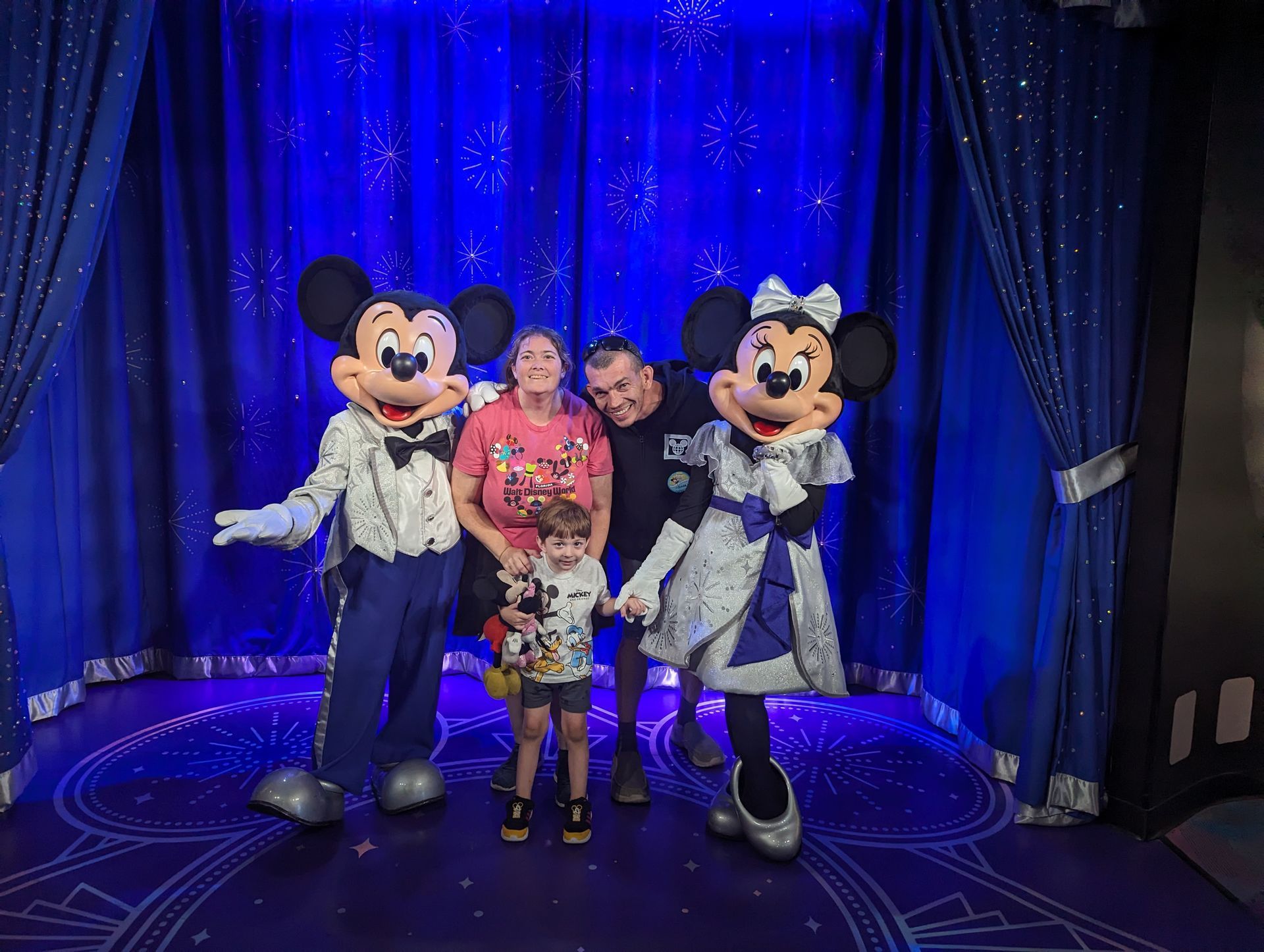
  • Smiling during a family photo
  • Taking that first trip after years of hesitation

These moments become the stories you'll treasure most.

Working with a Travel Advisor Who Understands

Planning an accessible vacation involves more than finding the lowest price. It means understanding your family's unique needs and advocating for the accommodations that make travel enjoyable.

An experienced travel advisor can help coordinate accessible rooms, request special accommodations, recommend sensory-friendly experiences, arrange transportation, and provide guidance throughout the planning process.

Having someone in your corner allows you to spend less time worrying about logistics and more time looking forward to your vacation.

The World Is Meant for Everyone

Travel should never be limited by disability or diagnosis.

Every family deserves the chance to laugh together on a beach, experience the excitement of a theme park, sail into a beautiful sunset, or explore a new destination without fear or uncertainty.

With thoughtful planning and the right support, traveling with a special needs family member isn't just possible—it's incredibly rewarding.

The memories you create together will far outweigh the extra planning required to make them happen.

At Paradise Coast Travel, we believe that every traveler deserves an unforgettable vacation. We are passionate about helping families with special needs find destinations and experiences that fit their unique abilities, interests, and comfort levels—because the best adventures are the ones everyone can enjoy.

By Jennifer Feeney April 23, 2026
Is the DAS Pass at Walt Disney World Worth It? A Realistic Guide for Families If you’re planning a trip to Walt Disney World and someone in your group has a disability, you’ve probably come across the Disability Access Service (DAS). But here’s the big question: Is it actually worth applying for? The answer isn’t as simple as yes or no—and that’s exactly what we’re going to break down. What Is the DAS Pass? The Disability Access Service (DAS) is a program designed to support guests who have difficulty waiting in traditional standby lines due to a disability—particularly non-visible disabilities like autism, ADHD, anxiety, PTSD, or sensory processing challenges. Instead of physically waiting in line, DAS allows you to: Request a return time for an attraction (similar to a virtual queue) Wait elsewhere (quiet spaces, shaded areas, sensory-friendly spots) Enter through the Lightning Lane when your return time is ready It’s important to understand: 👉 DAS is not a “skip-the-line” pass. It simply replaces where you wait—not how long you wait. Who Qualifies for DAS? Disney does not provide a strict list of qualifying conditions, but approval is based on how your disability impacts your ability to wait in a conventional queue . You may qualify if: You or your child cannot tolerate confined or crowded spaces Waiting in line causes significant distress or behavioral challenges There are sensory sensitivities or cognitive limitations You will not qualify based solely on: Mobility issues (wheelchairs and ECVs are already accommodated in most lines) Wanting shorter wait times The Application Process (What to Expect) Applying for DAS is a bit more involved than it used to be. You’ll need to: Schedule a video chat interview with Disney (before your trip) Explain your specific needs—not just your diagnosis Answer questions about how waiting in line affects you or your child If approved, DAS is valid for the length of your ticket (up to 240 days max). 💡 Pro tip: Focus on real-life scenarios when explaining your needs. Disney is looking for functional impact, not medical labels. The Pros of Using DAS ✔️ Flexibility for Neurodivergent Families For families with autistic or neurodivergent children, DAS can be a game-changer . It allows: Breaks when needed Reduced overstimulation A more predictable experience ✔️ Less Stress, More Enjoyment Instead of spending hours managing meltdowns or anxiety in line, families can: Explore quieter areas Take sensory breaks Stick to a more comfortable pace ✔️ Included at No Extra Cost Unlike Lightning Lane services, DAS is completely free . The Cons (That People Don’t Talk About Enough) ❌ It Doesn’t Eliminate Wait Times You’ll still wait the same amount of time—just outside the line. This can be frustrating if expectations aren’t set properly. ❌ Limited Ride Selections at a Time You can only hold one active DAS return time at a time (plus pre-selections if arranged in advance). ❌ Approval Is Not Guaranteed Disney has tightened the approval process significantly. Many families who previously qualified are now being denied. ❌ Requires Planning + Tech Use You’ll need to: Use the app consistently Monitor return times Stay organized throughout the day For some families, this adds stress rather than removing it. So… Is DAS Worth It? It IS worth it if: Waiting in line would significantly impact your ability to enjoy the park You need flexibility for sensory or behavioral reasons Your goal is a manageable (not rushed) Disney day It may NOT be worth it if: You’re hoping to skip lines entirely You don’t want to rely on your phone all day Your group can handle shorter waits with strategic planning My Honest Take (From a Planning Perspective) DAS is not a “magic solution”—but for the right families , it can be the difference between a stressful trip and a truly meaningful one. The biggest mistake I see? 👉 People applying without a clear understanding of how it works. When used correctly, DAS becomes part of a larger strategy that includes: Park pacing Break planning Attraction prioritization Sensory-friendly spaces Final Thoughts A trip to Disney should feel magical—not overwhelming. The DAS pass isn’t about getting ahead—it’s about leveling the playing field so every guest has a fair chance to enjoy the experience. If your family needs that support, it’s absolutely worth exploring. Want Help Planning a Neurodivergent-Friendly Disney Trip? If you're feeling overwhelmed trying to figure all of this out, you're not alone—and you don’t have to do it by yourself. I specialize in helping families create custom, realistic Disney itineraries that actually work for their needs (not just Pinterest-perfect plans that fall apart by noon). Reach out and I’ll help you build a trip that feels good from start to finish. 
Moscow River at dusk with illuminated boats passing by the Kremlin.
By JW Block September 3, 2024
River cruising has become an increasingly popular way to explore Europe, and for good reason. This article delves into why river cruises offer a unique and enriching travel experience. Unlike ocean cruises, river cruises provide intimate access to some of Europe’s most picturesque towns, historic landmarks, and cultural hubs.
Two people sit on rocks near a waterfall. One person is drinking something from a bottle, the other is holding something up.
By JW Block September 3, 2024
Sustainable travel is no longer just a trend—it's a necessity. But does going green mean giving up luxury and comfort? Not at all! This blog explores practical ways to minimize your environmental impact while still enjoying a comfortable and memorable vacation.
White church with blue dome and door against a blue sky, near the sea.
By JW Block September 3, 2024
The Mediterranean is more than just its popular tourist destinations like Rome, Santorini, and Barcelona. In this article, we uncover ten lesser-known but equally captivating spots that offer a unique blend of history, culture, and natural beauty.